Anesthesia & Sedation Options at Kelowna Oral & Facial Surgery: What to Expect
Anesthesia & Sedation Options at Kelowna Oral & Facial Surgery: What to Expect
Anesthesia & Sedation Options at Kelowna Oral & Facial Surgery: What to Expect

1. Complete Guide to Comfort, Safety, and Sedation in Kelowna
Undergoing surgical treatment in the oral and maxillofacial region—whether it involves complex wisdom teeth extraction, bone grafting, or dental implant rehabilitation—can naturally evoke feelings of stress and apprehension. At Kelowna Oral & Facial Surgery, patient comfort, physiological safety, and anxiety reduction are fundamental components of our surgical care philosophy.
Understanding your sedation choices allows you to make informed decisions regarding your procedure. Under the experienced clinical guidance of Dr. Scott Martyna and Dr. Gordon Wong, our practice delivers tailored anesthesia solutions ranging from localized numbing to full general anesthesia. Operating out of our state-of-the-art facility on Tutt Street, our team maintains rigorous hospital-grade standards to ensure every patient experiences a smooth, pain-free, and safe surgical journey.
2. Decoding Anesthesia & Sedation: Your Comfort Spectrum
Different surgical procedures, medical histories, and personal comfort levels require unique sedation strategies. During your initial consultation, your oral surgeon evaluates your overall health, airway architecture, systemic medical conditions, and level of dental anxiety to recommend the safest, most effective modality.
1. Local Anesthesia
Mechanism: Target site nerve block utilizing clinical-grade local anesthetics (e.g., Lidocaine, Articaine with Epinephrine).
Patient Experience: Fully conscious, fully aware, but completely numbed to sharp sensation or pain. You will feel minor pressure during mechanical manipulation.
Clinical Indications: Minor soft tissue biopsies, simple single-tooth extractions, or uncomplicated exposure of impacted teeth.
Recovery: Zero recovery time required for cognitive function; local numbing dissipates gradually over 2 to 4 hours post-operatively.
2. Moderate IV Sedation (Conscious Sedation)
Mechanism: Intravenous administration of fast-acting pharmacological agents (typically a combination of sedatives and analgesics) tailored for rapid adjustment.
Patient Experience: Often referred to as "twilight sleep." You remain in a deeply relaxed state, semi-conscious, and capable of responding to verbal cues, yet largely unconcerned with the surgical environment. Most patients experience significant anterograde amnesia, retaining little to no memory of the procedure.
Clinical Indications: Multiple wisdom teeth extractions, placement of several dental implants, sinus lift surgeries, or patients experiencing moderate to severe dental anxiety.
Recovery: Requires a dedicated adult escort for transportation home and a brief monitoring period in our specialized post-anesthesia recovery bay.
3. General Anesthesia
Mechanism: Complete, controlled suppression of the central nervous system, rendering the patient entirely unconscious and unresponsive to pain or external stimuli. Administered and continuously monitored by specialized Medical Anesthesiologists.
Patient Experience: You fall completely asleep prior to any surgical initiation and awaken only after the procedure is fully finalized and local anesthesia has been applied for post-operative comfort.
Clinical Indications: Complex jaw reconstruction (orthognathic surgery), extensive trauma repair, full-arch dental implant reconstruction, impacted teeth in uncooperative or severely phobic patients, or complex surgical cases with challenging anatomical considerations.
Recovery: Requires full physiological monitoring by our dedicated recovery room staff until discharge criteria are met, followed by mandated rest at home accompanied by a responsible adult.
3. Hospital-Grade Safety Standards in an Outpatient Environment
Choosing to undergo IV sedation or general anesthesia at Kelowna Oral & Facial Surgery guarantees access to an environment engineered around safety protocols comparable to those found in major hospital surgical suites.
3-Step Surgical Safety & Monitoring Protocol
Phase 1: Pre-Operative Assessment & Planning — Comprehensive airway evaluation, medical history review, baseline vital signs, and customized anesthesia plan design.
Phase 2: Continuous Intra-Operative Monitoring — Uninterrupted real-time tracking of heart rhythm (ECG), oxygen levels (Pulse Oximetry), respiratory rate (Capnography), and blood pressure.
Phase 3: Post-Anesthesia Care & Monitored Recovery — Dedicated recovery bays staffed by certified Registered Nurses until full discharge criteria are met.
Advanced Physiological Monitoring
During IV sedation and general anesthesia, your vital physiological signs are continuously tracked in real time using advanced diagnostic monitoring systems:
Capnography (End-Tidal CO2): Immediate, real-time assessment of respiratory rate and ventilatory efficiency.
Electrocardiogram (ECG): Continuous tracking of cardiac rhythm and heart rate stability.
Pulse Oximetry & Blood Pressure: Uninterrupted measurement of arterial oxygen saturation and systemic blood pressure dynamics.
Facilities Accredited for Surgical Excellence
Our custom-built surgical suites are equipped with medical-grade emergency support systems, including redundant oxygen supplies, automated external defibrillators (AED), advanced airway management devices, and emergency reversal medications. Our accredited facility undergoes regular, stringent inspections and reaccreditation processes to uphold the highest provincial healthcare standards.
4. Overcoming Severe Dental Anxiety: A Compassionate Approach
Phobia surrounding dental treatment is a major barrier that prevents many individuals from seeking essential oral healthcare. Left untreated, minor dental concerns can progress to severe infections, systemic inflammation, chronic pain, and extensive bone loss.
Breaking the Cycle of Avoidance
At Kelowna Oral & Facial Surgery, we recognize that dental anxiety is a genuine physiological and psychological response. Sedation dentistry bridges the gap between necessary surgical intervention and patient peace of mind:
Eradication of Pain & Stress: IV sedation eliminates the perception of sound, vibration, and pressure that often triggers anxiety responses.
Amnesic Properties: Intravenous sedatives prevent long-term memory formation of the surgical event, preventing compounding trauma for future visits.
Efficiency of Treatment: Deep relaxation allows our oral surgeons to complete extensive, multi-quadrant surgical treatments in a single appointment, reducing the need for multiple visits.
5. Specialized Expertise: Meet Our Surgical Leadership
Selecting an oral surgeon in Kelowna who possesses advanced, specialized training in anesthesia administration provides the ultimate assurance of clinical safety and technical precision.
Dr. Scott Martyna, DMD, MHA, FRCDC, FACS — Certified Specialist in Oral & Maxillofacial Surgery
Dr. Scott Martyna is a board-certified specialist in Oral and Maxillofacial Surgery in both Canada and the United States. Following his dental degree, Dr. Martyna completed extensive hospital specialty residency training acquiring hands-on expertise in complex reconstructive surgery, deep intravenous sedation, and hospital-based anesthesia administration.
Dr. Gordon Wong, DMD, FRCDC, Dip ABOMS — Certified Specialist in Oral & Maxillofacial Surgery
Dr. Gordon Wong brings decades of dedicated surgical experience and leadership to the Kelowna community. As a board-certified Oral and Maxillofacial Surgeon, Dr. Wong has performed thousands of complex surgical procedures under various sedation modalities. His clinical focus centers on precise surgical execution combined with gentle, patient-centric anesthesia protocols.
Certified Anesthesiology & Nursing Team
For procedures requiring full general anesthesia, our facility features dedicated Medical Anesthesiologists alongside Registered Nurses (RNs) certified in Advanced Cardiac Life Support (ACLS) and Pediatric Advanced Life Support (PALS). Our Certified Dental Assistants are also specifically trained in surgical and sedation support. This team-based approach ensures one provider focuses entirely on your surgical procedure while dedicated anesthesia medical staff monitor your vitals.
6. Conveniently Located in South Pandosy
Located in the vibrant South Pandosy district near Kelowna General Hospital, our modern facility provides an accessible, private, and comforting atmosphere for patients across the Okanagan Valley.
Kelowna Oral & Facial Surgery
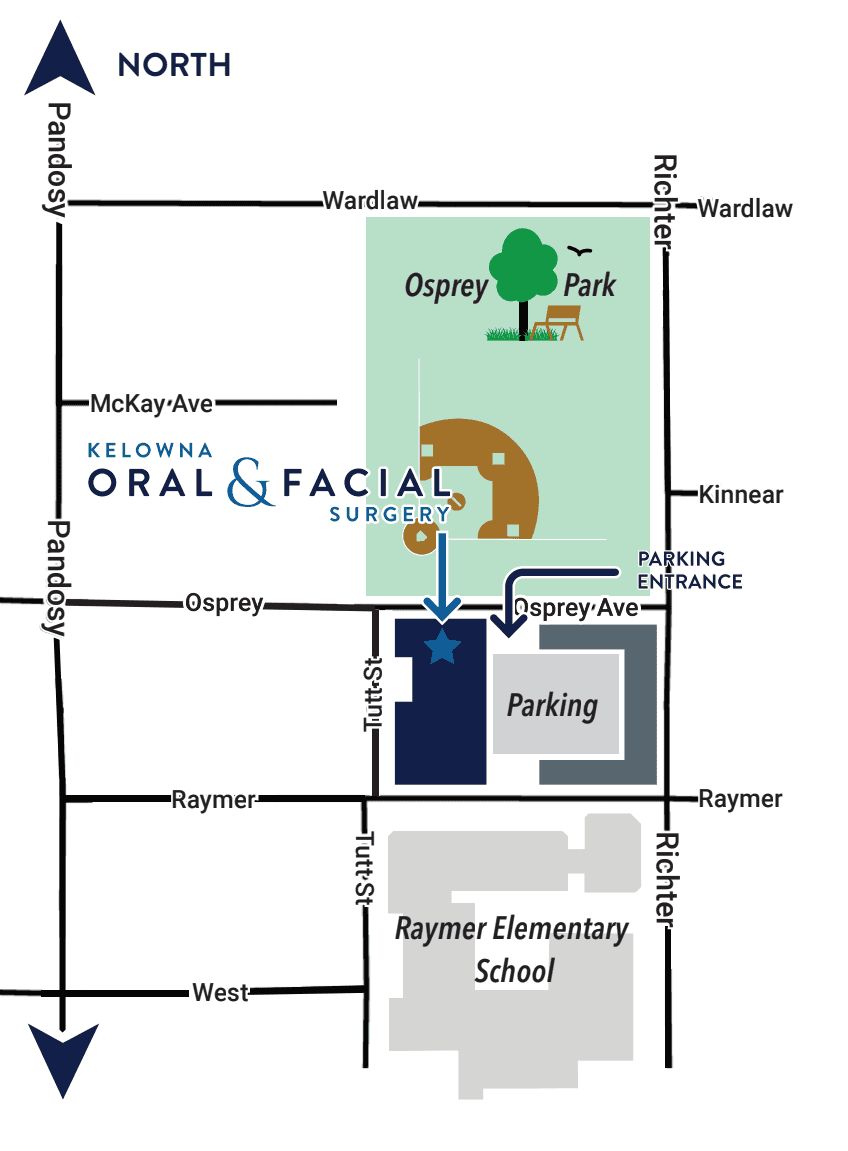
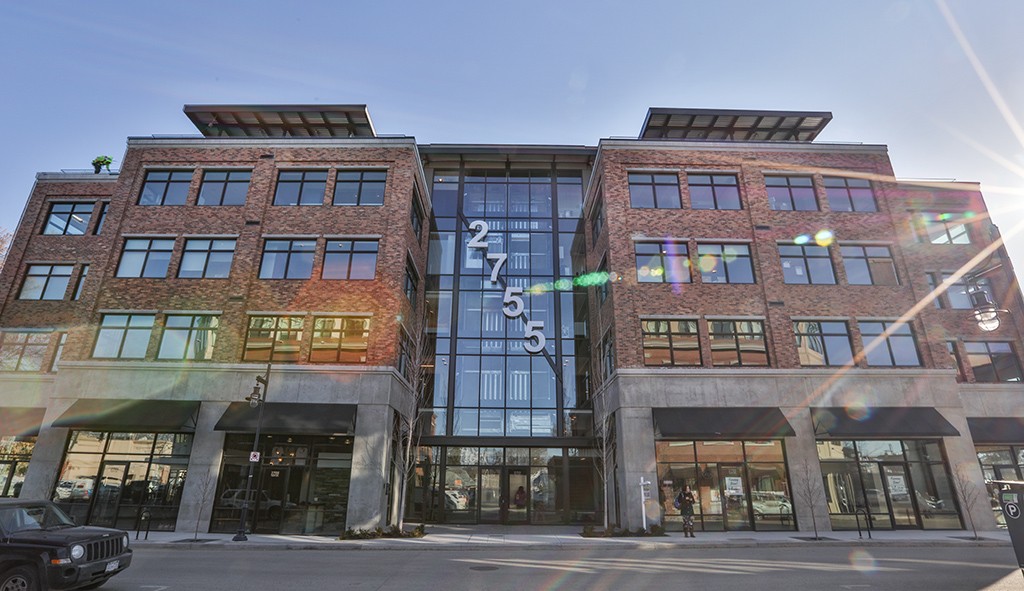
Suite #412 - 2755 Tutt Street, Kelowna, BC V1Y 0G1
Phone: 778-484-7275
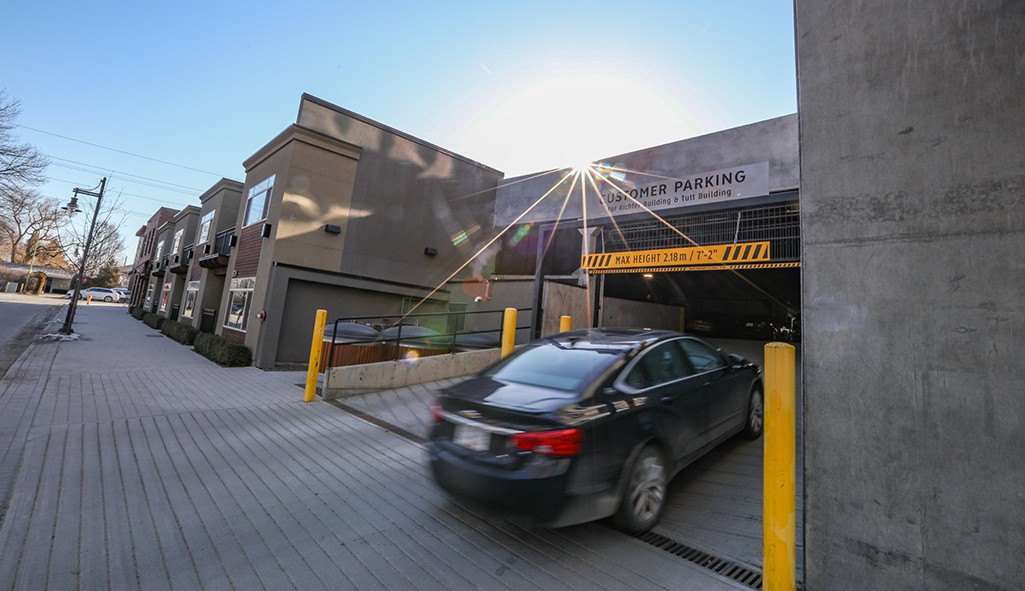
Our facility features dedicated private recovery rooms, elevator access, and convenient parking in the attached parkade (entrance off Osprey Avenue). Patients simply register their license plate upon arrival at reception for seamless parking management.
7. Frequently Asked Questions
What is the main difference between IV sedation and general anesthesia?
With moderate IV sedation ("twilight sleep"), you remain semi-conscious, retain your natural reflexes, and can respond to light touch or verbal prompts, though you likely won't remember the procedure. Under general anesthesia, you are completely unconscious, unaware, and unresponsive, under the direct care of a Medical Anesthesiologist.
How should I prepare for my IV sedation or general anesthesia procedure?
You must abstain from all food and liquids (including water) for at least 8 hours prior to your scheduled surgery. Take any prescribed systemic medications only as directed by your surgeon during your pre-operative consultation, using a tiny sip of water. Wear loose, comfortable clothing with sleeves that can be easily rolled up for blood pressure monitoring cuffs.
Why do I need a driver after receiving IV sedation?
Intravenous sedatives impair motor coordination, reaction times, and cognitive judgment for several hours post-procedure. For your safety, an adult driver must accompany you to the appointment, transport you home safely, and assist you during your initial recovery period.
Is IV sedation safe for patients with existing medical conditions?
Yes, provided a thorough pre-operative evaluation is conducted. During your initial consultation, Dr. Martyna or Dr. Wong will review your complete medical history, current prescription medications, and systemic health status to tailor the safest custom anesthesia protocol for your needs.
Other blogs

Dental Implants vs. Bone Grafting: Rebuilding Your Jaw Foundation in Kelowna
Anesthesia & Sedation Options at Kelowna Oral & Facial Surgery: What to Expect

Why 3D CBCT Imaging Is Essential for Safe Wisdom Teeth Removal in Kelowna

Fractured Teeth and the Importance of Dental Crowns

Dental X-Rays -> Types and why are they Important?

Periodontal Disease: Why Routfine Care Is Essential?

Transforming Your Smile and Oral Health
Contact Information
Leave Us a Message
Parking Instructions
The parkade is linked to our building and the entrance to the garage is on Osprey Avenue. Please bring your license plate number with you so we can register your vehicle upon arrival.
Contact Information
Leave Us a Message
Parking Instructions
The parkade is linked to our building and the entrance to the garage is on Osprey Avenue. Please bring your license plate number with you so we can register your vehicle upon arrival.
Contact Information
Leave Us a Message
Parking Instructions
The parkade is linked to our building and the entrance to the garage is on Osprey Avenue. Please bring your license plate number with you so we can register your vehicle upon arrival.

Copyright © 2026 Dr. Scott T. Martyna, DMD, MHA, FRCDC, FACS, & Dr. Gordon Wong, DMD, FRCDC, Dip ABOMS Certified Specialists in Oral & Maxillofacial Surgery. All rights reserved.
Kelowna Oral & Facial Surgery is locally owned and operated by Dr. Martyna and Dr. Wong Dental Inc.
Copyright © 2026 Dr. Scott T. Martyna, DMD, MHA, FRCDC, FACS, & Dr. Gordon Wong, DMD, FRCDC, Dip ABOMS Certified Specialists in Oral & Maxillofacial Surgery. All rights reserved.
Kelowna Oral & Facial Surgery is locally owned and operated by Dr. Martyna and Dr. Wong Dental Inc.
Copyright © 2026 Dr. Scott T. Martyna, DMD, MHA, FRCDC, FACS, & Dr. Gordon Wong, DMD, FRCDC, Dip ABOMS Certified Specialists in Oral & Maxillofacial Surgery. All rights reserved.
Kelowna Oral & Facial Surgery is locally owned and operated by Dr. Martyna and Dr. Wong Dental Inc.